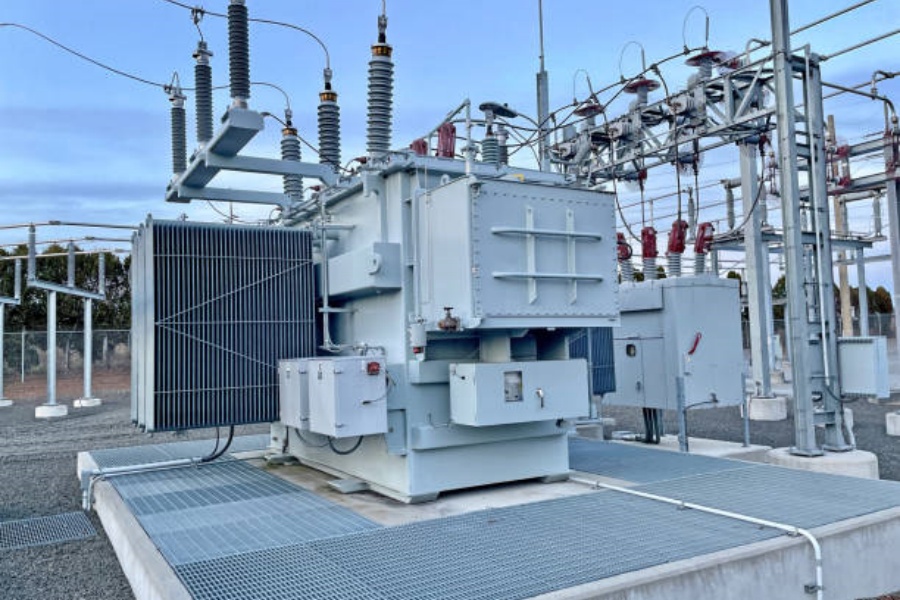
AC test transformer calibration is a critical process to ensure the accuracy and reliability of voltage and current measurements in electrical testing. By calibrating an AC test transformer, technicians can verify its performance under specified operating conditions, maintaining measurement precision and system safety. Accurate calibration helps avoid errors in high-voltage testing, safeguarding both equipment and personnel.
The Importance of Precise Calibration in AC Test Transformers
Precision in AC test transformer calibration directly affects the validity of test results. Inaccurate calibration may lead to incorrect voltage ratios and phase angles, causing misleading test outcomes. This precision is vital in applications like high-voltage testing of insulators, transformers, and circuit breakers where exact voltage measurement is required.
Standards Governing AC Test Transformer Calibration
Calibration procedures for AC test transformers must adhere to international and national standards such as IEC 60044-1 and ANSI C57 series. These standards define the acceptable limits, test methods, and uncertainty tolerances. Compliance ensures consistency and comparability of calibration results across different laboratories and industries.
Calibration Equipment and Tools Used
Specialized calibration equipment, including precision voltage sources, reference transformers, and digital power analyzers, are employed during AC test transformer calibration. These tools must themselves be regularly calibrated to maintain traceability to national measurement standards, forming an unbroken chain of trust in the accuracy of the device.
Step-by-Step Procedure for AC Test Transformer Calibration
The typical calibration process involves applying a known input voltage to the transformer and recording its output. Key parameters such as transformation ratio, phase angle displacement, and frequency response are measured. Adjustments are made if discrepancies exceed predefined tolerances to ensure the transformer meets performance specifications.
Challenges in AC Test Transformer Calibration
Calibrating AC test transformers presents challenges like temperature variations, harmonic distortion, and electromagnetic interference. These factors can impact measurement accuracy and require careful control of test environments and shielding to minimize errors during calibration.
Role of Temperature and Environment in Calibration Accuracy
Temperature fluctuations can influence the magnetic properties of transformer cores, affecting output voltage and ratio measurements. Therefore, AC test transformer calibration is typically performed in temperature-controlled environments, with temperature corrections applied where necessary to keep results within acceptable accuracy limits.
Frequency Considerations during Calibration
AC test transformers are designed to operate at specific frequencies, commonly 50 Hz or 60 Hz. During calibration, evaluating the transformer's behavior across its operating frequency range is important to detect any frequency-dependent deviations in transformation ratio or phase angle, ensuring dependable performance in field conditions.
Documentation and Traceability in Calibration Processes
Comprehensive documentation during AC test transformer calibration is essential for traceability and quality control. Calibration certificates record all relevant data including test conditions, instruments used, measurement results, and uncertainties. This documentation supports audits, regulatory compliance, and future recalibration activities.
Benefits of Regular AC Test Transformer Calibration
Scheduling regular AC test transformer calibration maximizes the lifespan and reliability of electrical testing equipment. It reduces the risk of equipment failure and inaccurate testing outcomes, thereby protecting costly assets and enhancing safety. Regular calibration also supports compliance with industry regulations and standards for electrical measurement accuracy.
Quote Inquiry
contact us